
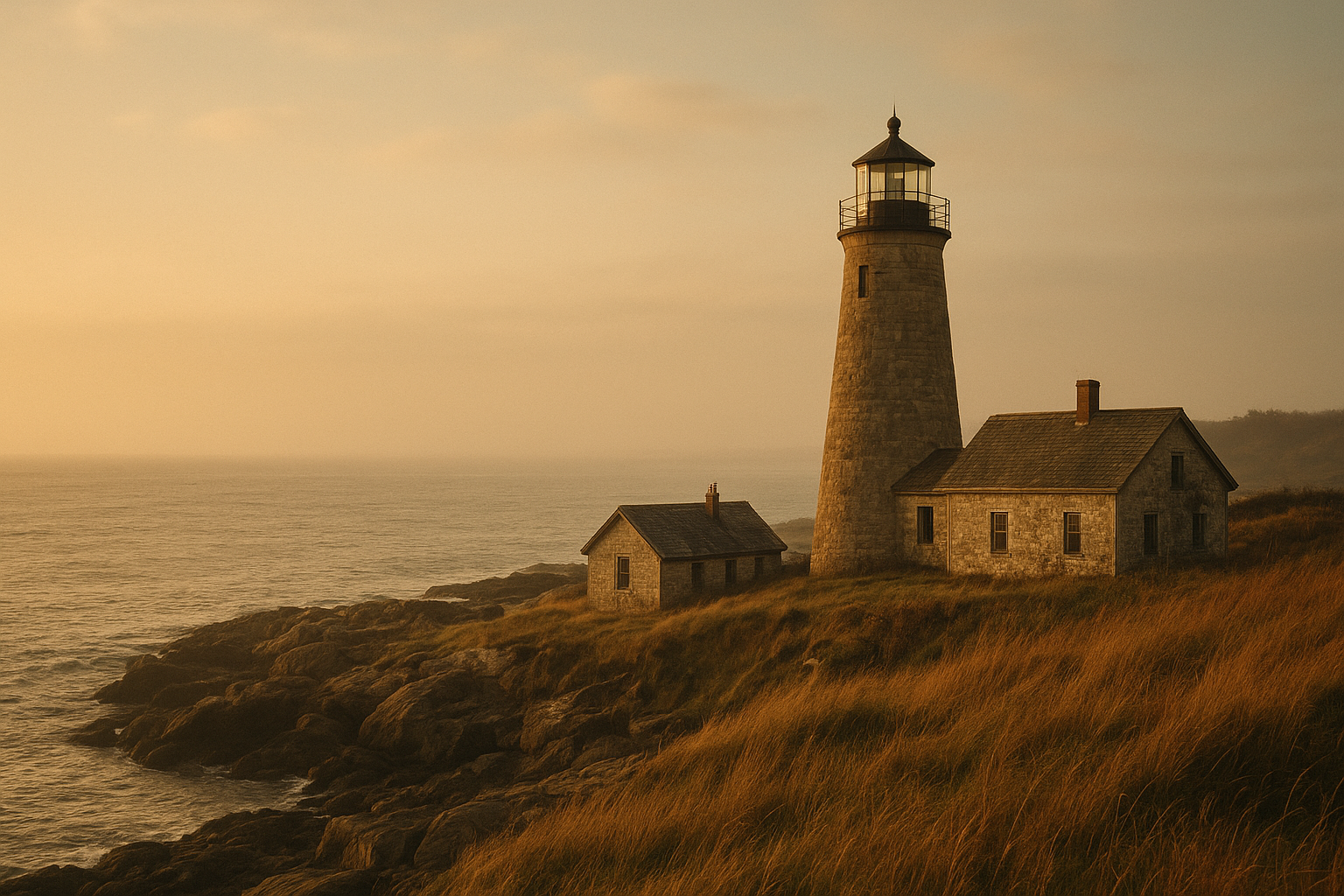
Historic lighthouse on a rugged northern coastline at late day, with sea haze and weathered stone structures

Northern Coast Lighthouses Archive

History of northern-coast lighthouses, preserved in image and memory.

An editorial archive of lighthouse photographs, keeper accounts, and surviving towers that shaped the shoreline across generations.

  • Archive photos
  • Keeper stories
  • Preserved towers

Coastal introduction

Framing the northern shoreline and the lighthouses that shaped it

This archive gathers weathered photographs, keeper records, and place notes so each beacon can be read in context rather than as an isolated landmark.

  • The northern coast is mapped as a chain of exposed headlands, harbors, and narrow passages where visibility changed quickly with weather.
  • Lighthouse stations served as navigation beacons, weather sentries, and daily signals for fishing crews and cargo routes.
  • Preserved towers and surviving archives are documented here to connect today's shoreline with its working maritime past.

Coastal chronology

A quick timeline of lighthouse development

From early timber beacons to preservation-era restoration, these milestones trace how the northern coast’s lights evolved with navigation, technology, and community stewardship.

  1. 1820–1845

    Timber signal towers appear at key inlets, marking the coast’s earliest formal beacon network.

  2. 1846–1870

    Masonry towers replace vulnerable structures, and improved optical lenses extend night visibility offshore.

  3. 1871–1898

    Keeper compounds, fog bells, and supply depots establish year-round station life on exposed headlands.

  4. 1899–1935

    Electrification and radio signaling modernize operations while several towers are rebuilt for heavier weather.

  5. 1936–Today

    Automation reduces staffing, then preservation campaigns secure surviving towers as cultural landmarks.