
Keeper Lives at the Edge of the Light

Beyond each tower stood a daily life of watch hours, weather, family routine, and quiet duty along the northern coast.
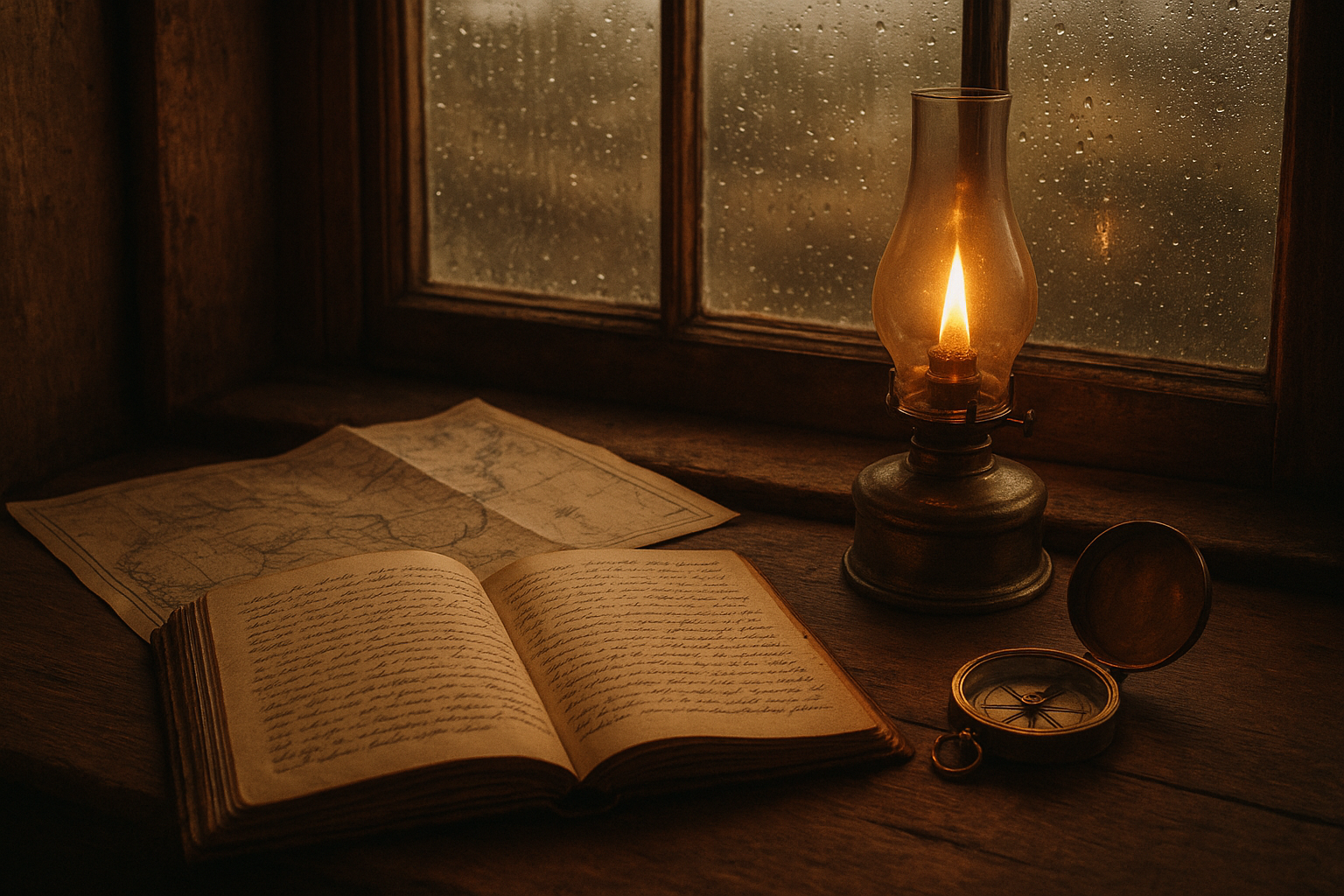
Warm film-style photograph of a lighthouse keeper's desk with a weathered journal, brass oil lamp, and folded coastal charts near a rain-speckled window

Keeper narratives

Voices from the lantern room

Short accounts from journals, letters, and oral histories that reveal daily life along the northern coast lights.

  1. Cape Dunlow • 1896

    The Night of the Frozen Lens

    Keeper Elinor Shaw recorded how she kept the beam alive through sleet and salt frost, warming the lens housing with stove bricks between rotations.

  2. Harbor Reach • 1911

    Bread, Oil, and Fog Bell Duty

    A spring ledger entry turns domestic notes into maritime history, tracing lamp oil use, weather changes, and the long rhythm of bell watches in thick fog.

  3. Blackwater Point • 1924

    When the Supply Boat Missed the Tide

    Letters between two stations describe improvised repairs, shared coal sacks, and a week of signal relays that kept passing ships informed.

  4. North Shoal • 1938

    A Daughter’s Summer Watchbook

    A teenager’s handwritten watchbook captures seabird counts, radio songs, and the practical routines that made isolated tower life feel unexpectedly communal.

Reading notes

How memory and record are handled

These notes describe how recollections are edited, checked, and presented so each story remains approachable while historically grounded.

How are keeper recollections gathered from oral tradition?

Interviews are recorded in full, then trimmed for clarity without changing meaning. Regional phrasing is retained where possible, with brief editorial notes only when terms need context.

Which records are used to corroborate spoken memories?

Logbooks, harbor notices, weather summaries, and maintenance ledgers are cross-referenced. Citations are kept in internal notes so published text stays concise for general readers.

How are restoration-era changes identified in the archive?

Captions flag known rebuilds, replaced lantern rooms, and modern safety additions. When uncertainty remains, wording stays provisional rather than presenting a single definitive claim.

What do we include about daily life at working lights?

Notes emphasize routines1amp trimming, fog-signal checks, weather logging, and supply runs1to balance dramatic sea accounts with the repetitive labor that kept beacons reliable.

How do changing coastlines affect historical interpretation?

Erosion, harbor works, and shifting bars can change sightlines and landing points. Map notes therefore distinguish historic shoreline references from present-day geography.